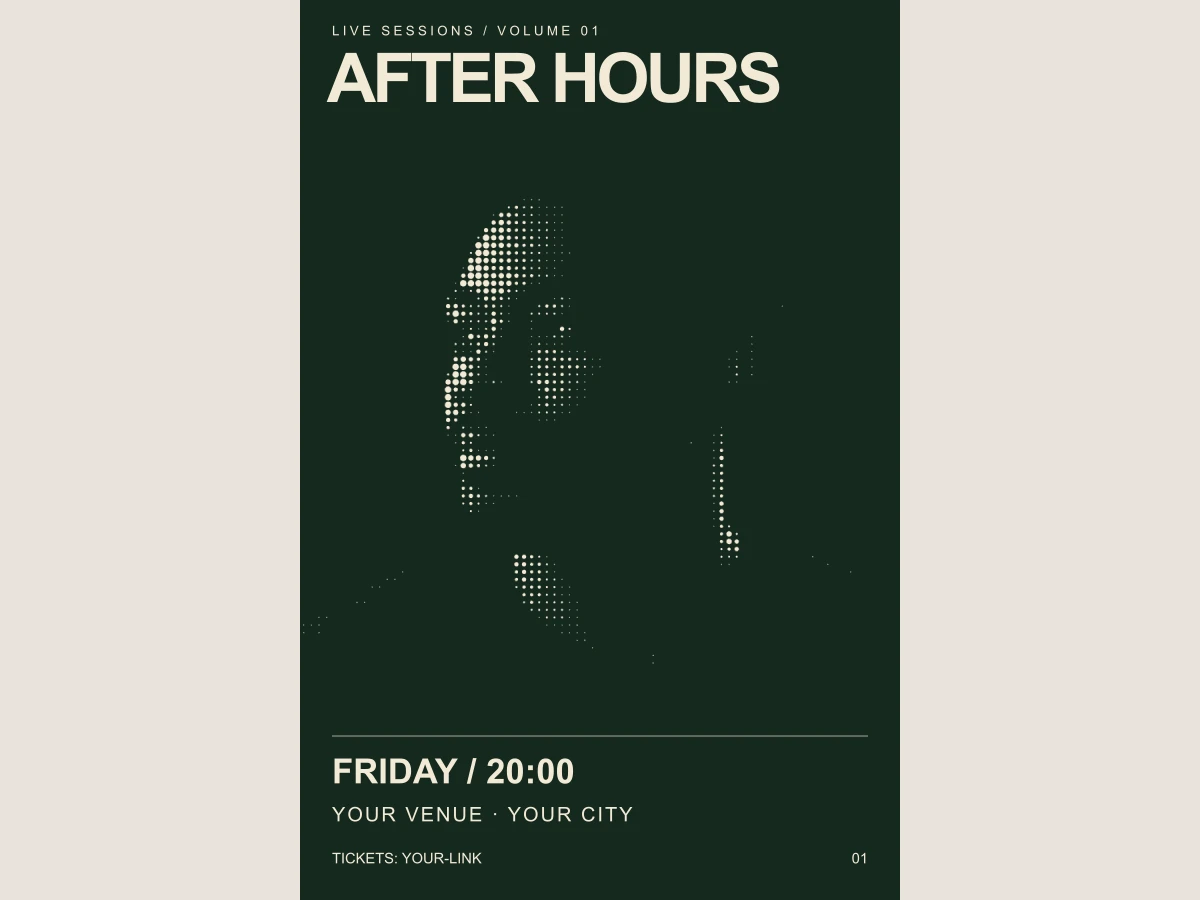
OriginalASCII

Features you will love
IMAGE · VIOLET PORTRAIT
a picture, poured into characters.
Showcased pours
House pours and things worth a closer look.
everyday selfiehouse original
between the wordshouse original
tidal contourshouse original
little troublehouse original
copper afterglowhouse original
PRICES
FOREVER FREE
$0
forever- ✓included: Images, clips, webcam and screen share
- ✓included: Every alphabet, colorway and preset
- ✓included: Clean PNGup to 1080p
- ✓included: Copy any frame as real text
- ✓included: GIF and MP4 exportGIF only, six seconds, small stamp
- ✕not included: MP4 up to two minutes
- ✕not included: 4K and 60fps
- ✕not included: Record webcam and screen share
MONTHLY PRO
$8
per month, cancel any time- ✓included: Images, clips, webcam and screen share
- ✓included: Every alphabet, colorway and preset
- ✓included: Clean PNGup to 4K
- ✓included: Copy any frame as real text
- ✓included: GIF and MP4 exportboth, clean
- ✓included: MP4 up to two minutes
- ✓included: 4K and 60fps4K runs at 30fps
- ✓included: Record webcam and screen share
MOST POUREDLIFETIME PRO (V1)
$49
once, for V1*- ✓included: Images, clips, webcam and screen share
- ✓included: Every alphabet, colorway and preset
- ✓included: Clean PNGup to 4K
- ✓included: Copy any frame as real text
- ✓included: GIF and MP4 exportboth, clean
- ✓included: MP4 up to two minutes
- ✓included: 4K and 60fps4K runs at 30fps
- ✓included: Record webcam and screen share
- ✓included: Includes V1 and its updates
* Excludes major version upgrades
GET LIFETIME PRO →For developers
The engine that draws this page, as one file you can ship: no dependencies, no server and no attribution required. One license applied to a single website or project.
- ✓included: React component or standalone HTML exports
- ✓included: Commercial use, one project per license
- ✓included: Interactable, with mouse movement responses
- ✓included: Attribution not required, credit welcome
$39once, per projectGET THE LICENSE →
Frequently asked
Plans, exports and how it works.
Does anything upload?
Editing and exporting happen in your browser. If you choose Request to feature, we upload your rendered creation, preview and chosen credit for review. Approved submissions may be published in the gallery.
Is there a watermark?
PNG exports and copied text are watermark-free on every plan. Free GIFs have a small watermark. Pro removes it and adds MP4, higher export limits and live recording.
Do I need an account?
No account is needed to create or export artwork. If you buy Pro, activate it in the app with your license key.
What can I make with ascii.cafe?
Turn images, videos, your camera or a shared screen into ASCII, halftone, dither or line art. Adjust the colors and marks, add animation, then export a still or a clip. A Developer license also lets you embed interactive artwork in a website or project.
Can I record my camera or my screen?
Live previews and watermark-free PNG stills up to 1080p are free. Pro records clean clips with no watermark: MP4 up to two minutes and GIF up to 30 seconds, at up to 60fps, with 4K running at 30fps. Live recordings use the canvas size; detail and frame rate depend on your source, browser and device.
How large can my files be?
Open image files up to 32MB or video files up to 512MB. Images are resized to a maximum of 2048 pixels on the long edge for processing. Video performance depends on the resolution and your device.
Is Pro a subscription?
Monthly Pro renews each month and can be cancelled at any time. Lifetime Pro (V1) is a one-time payment for V1 Pro features and updates, with no renewal. Major version upgrades are excluded.
Can I use my exports commercially?
Yes, on every plan, with no credit required, as long as you have the rights to the source material. Embedding the engine in a website or product requires a Developer license, which covers one commercial project.
Does it work on a phone?
You can open images and videos or use your camera in supported mobile browsers. Screen sharing requires a supported desktop browser. Export options depend on your browser's capabilities.
Register to get the creative newsletter and seasonal offers.
ascii.cafe
Turn anything you want into ascii.